

Navigating the Road Ahead: Why Hybrid Trucks Are Gaining Momentum
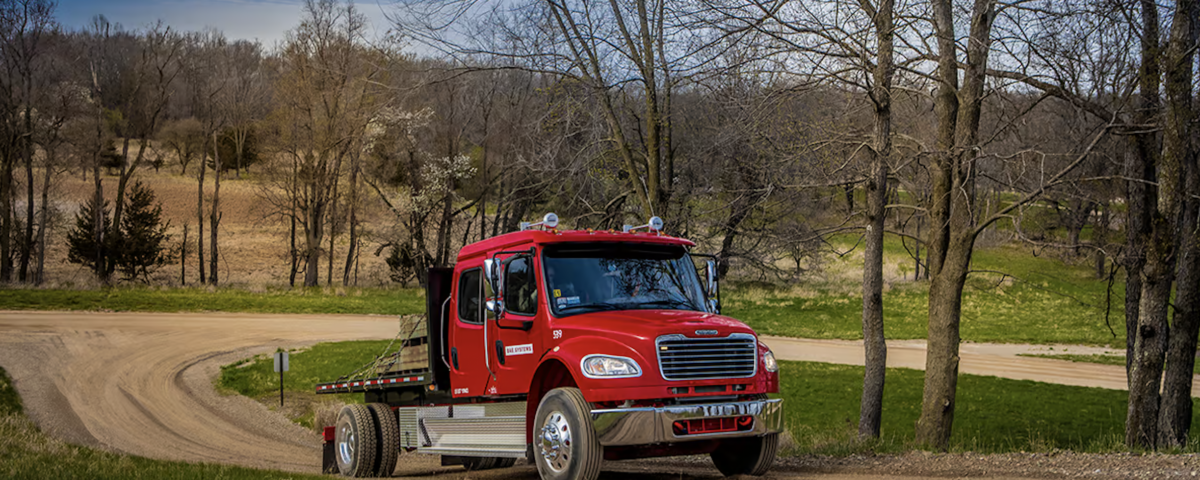
As fleets work to meet evolving emissions regulations all while managing operating costs, many are taking a fresh look at hybrid trucks. In recent years, battery-electric vehicles have dominated the conversation, but hybrid powertrains have re-emerged as a practical solution to reducing fuel use, emissions and overcoming infrastructure challenges.
Many in the industry are moving beyond asking whether hybrids work to understanding where they work best.
There is growing recognition that hybrid performance depends on how a vehicle is used. Early expectations were that hybrids would deliver immediate and widespread fuel savings. While that is true, the extent of those savings depends on duty cycle, driver behavior, and route characteristics.
Hybrid trucks combine the proven durability of an internal combustion engine with the instant torque of an electric motor, delivering responsive performance and enhanced capability for demanding workloads. With the potential for engine downsizing, hybrids provide savings for every mile driven. They excel in stop-and-go operations, such as city buses, refuse and delivery routes. Drive cycles with frequent braking allows the system to recover energy that would otherwise be lost, and this translates into more fuel savings. Out on the highway, when speeds generally remain steady, the smaller engine comes into play with constant savings.
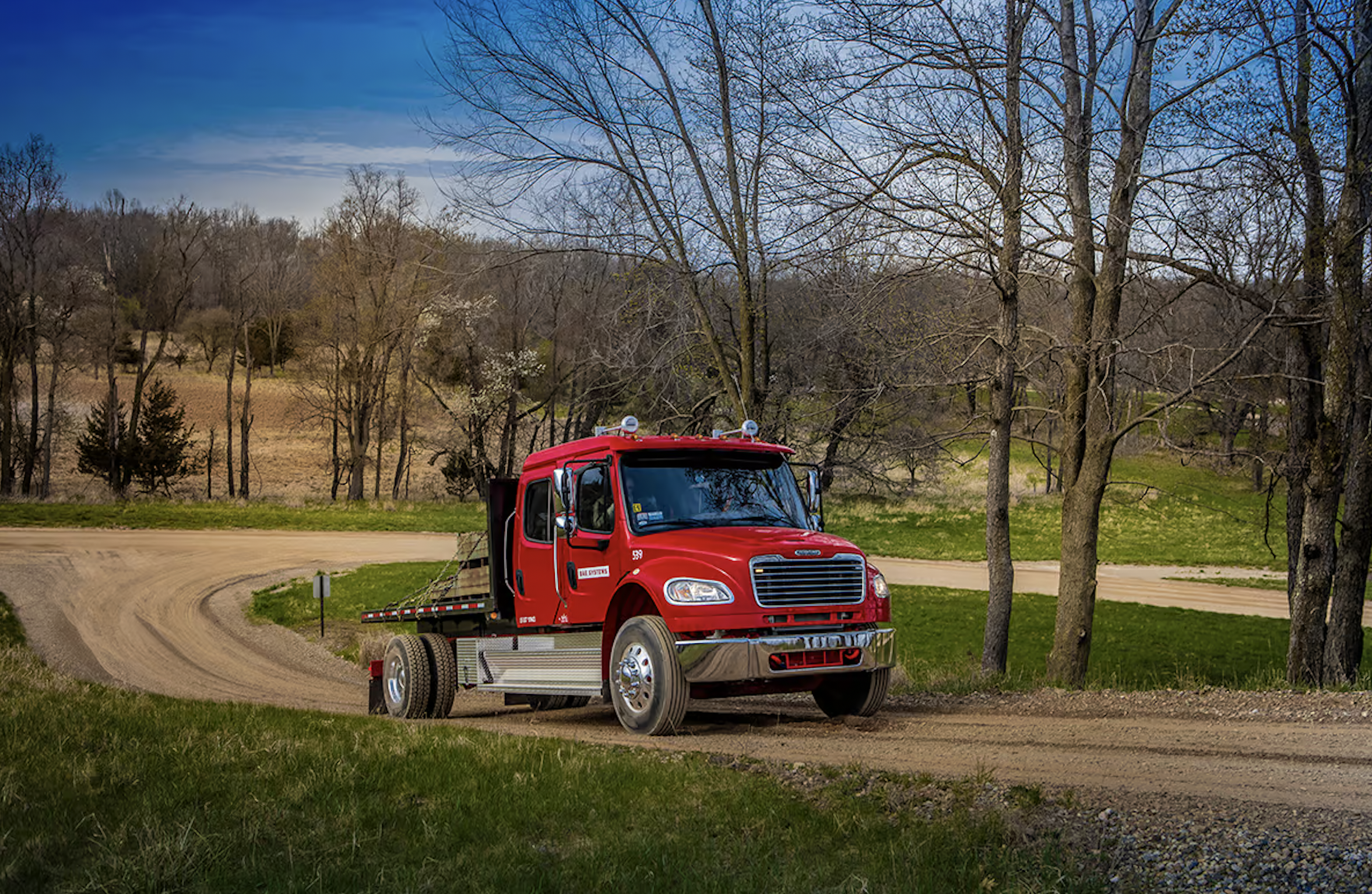
Photo Source: ACT News via BAE Systems